When you speak on the phone, it’s natural to believe that it’s a private conversation between you and the person on the other end of the line. However, do you know what mechanisms are employed to deliver this confidentiality? And how confident can you truly be in these security measures?
In this article, we take a detailed look at Voice over Internet Protocol (VoIP) security technologies and how they keep conversations confidential.
Read More
Topics:
SIP Phones,
IP PBX,
VoIP,
SIP,
Network Security,
Protocols, codecs & standards
Voice over Internet Protocol (VoIP), a collection of technologies enabling voice communications over IP networks, has come a long way since its first commercial application over 20 years ago. It has successfully overcome its many obstacles, developing into a robust, reliable and extremely flexible communications solution. You would be hard-pressed to find any new business telephone system installed within the past couple of years based on technology other than VoIP.
In a previous article, we saw how reliable the technology has become. In this article, we look at the factors to consider when choosing VoIP services, especially services delivered within a UCaaS framework. This will help you choose the best provider for your particular business needs.
Read More
Topics:
VoIP,
Trends,
Cloud,
Protocols, codecs & standards
In the past, VoIP was considered a low-quality, undependable voice service delivered over an unreliable internet connection. Since then, the technology has improved dramatically, as have the methods and connections used to deliver it. VoIP now enjoys the same levels of availability and robustness as traditional telephony did at its peak.
Even so, the stigma of low quality and low dependability has followed VoIP to this day. In this article, we attempt to understand why this is the case and provide a realistic picture of the phenomenal reliability that VoIP can achieve today.
Read More
Topics:
QoS,
VoIP,
SD-WAN,
Protocols, codecs & standards
Product Review
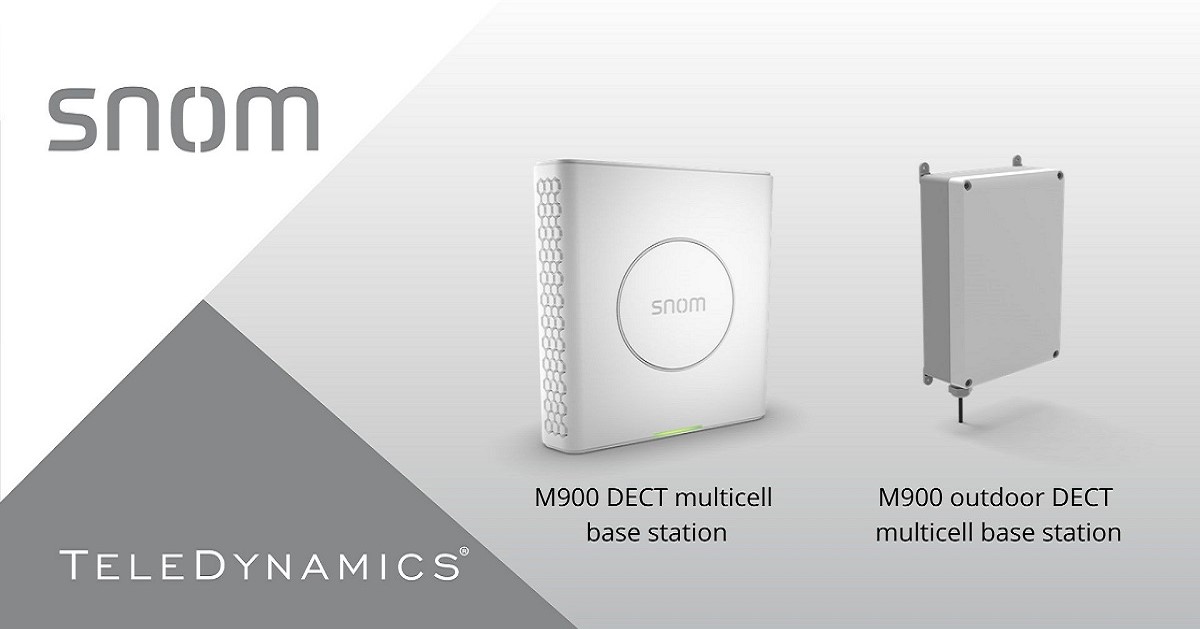
There are many businesses that require wireless telephony on their premises. Hospitals, hotels, warehouses, universities, and a multitude of manufacturing environments require employees to maintain a high level of mobility within an enterprise’s facilities while simultaneously maintaining their reachability via the internal phone system.
For such environments, a DECT-based system is arguably the simplest turn-key solution. Snom has made such a solution even simpler and highly scalable with its M900 DECT base station.
Read More
Topics:
Wireless,
Business Telephone System,
VoIP,
SIP,
DECT,
Product Review,
Snom,
Protocols, codecs & standards
When researching options for upgrading your telephony network or installing one from scratch, you may have come across FreeSWITCH. This is a freely available open-source application server for real-time voice communications of various types, including voice over IP (VoIP). In this article we examine FreeSWITCH to help you determine if it is right for you, and how it compares with Asterisk.
Read More
Topics:
IP PBX,
Business Telephone System,
VoIP,
Unified Communications,
Protocols, codecs & standards
If you have been involved with telephony within the last decade, you will have heard of Asterisk as an open-source alternative to proprietary traditional and IP PBXs. If you’re considering Asterisk as a solution for your business, this article may be useful, as it will clarify what Asterisk is, how it can be implemented, and what kind of support you will need to ensure its viability as a solution.
Read More
Topics:
IP PBX,
VoIP,
Unified Communications,
Protocols, codecs & standards
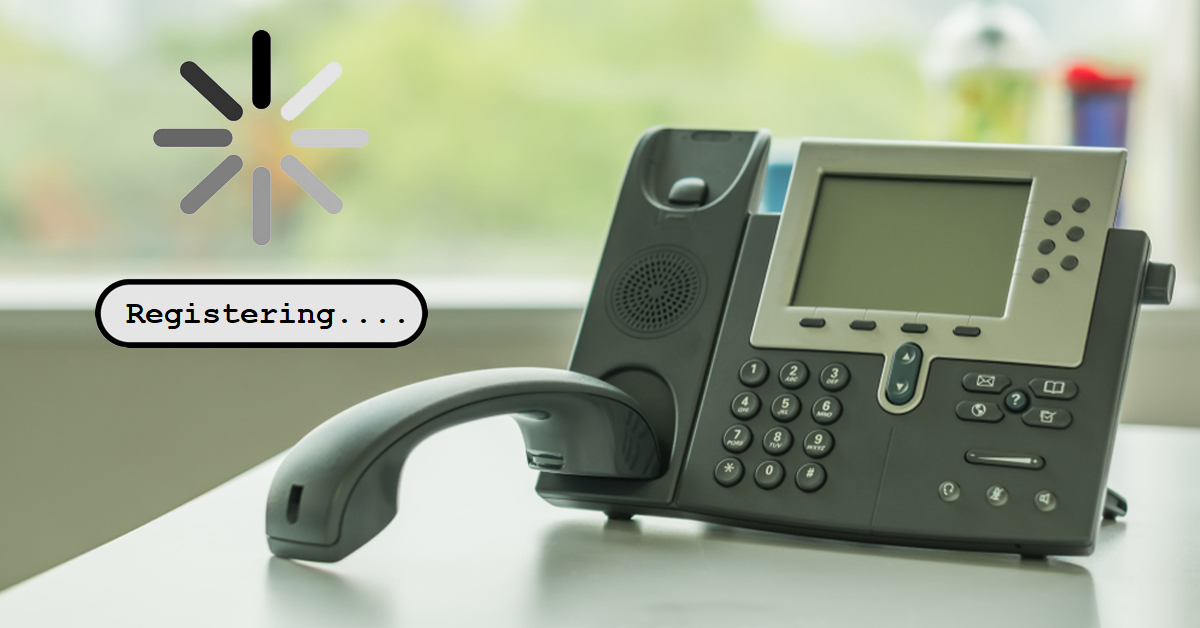
If you are a voice network engineer, then it has probably happened to you. Your SIP server is all set up and you have plugged in your IP phone. Its lights come on, its screen is activated, you see the loading icon rotating, and then… nothing. For some reason, the phone will not register.
IP phone registration issues are, unfortunately, not uncommon. In this article, we examine the most common causes of registration failures, and best practices for troubleshooting and resolving them.
Read More
Topics:
SIP Phones,
IP PBX,
Business Telephone System,
SIP,
Troubleshooting,
Firewall,
Protocols, codecs & standards
Wouldn’t it be great to have superhero X-ray vision that allows you to understand, in a single glance, what is going on with the voice traffic on your network? In fact, it is possible to do so using the Simple Network Management Protocol (SNMP). In this article, we take a look at this protocol and highlight the special features it has up its sleeve to help you with your VoIP monitoring needs.
Read More
Topics:
QoS,
VoIP,
Troubleshooting,
Protocols, codecs & standards
Part 2 of 2
When it comes to VoIP signaling, SIP is by far the most widely-used protocol. But, there are other protocols, as well, and being familiar with them is helpful when establishing interoperability between systems or deploying specialized installations. In this article, we’ll discuss the H.323 protocol suite and the media gateway control protocol (MGCP), and look at applications for which they are best suited.
Read More
Topics:
VoIP,
Network Design,
Gateway,
Protocols, codecs & standards
VoIP protocols, part 1
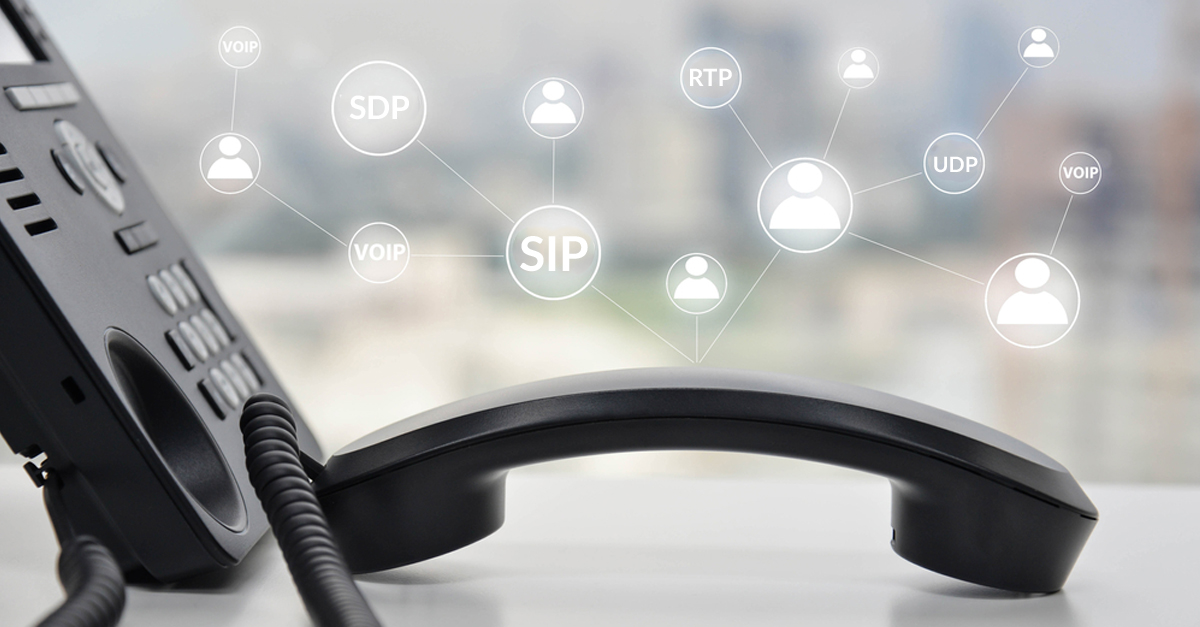
When we talk about VoIP, the most prominent and widely used protocol is Session Initiation Protocol (SIP). But SIP doesn’t operate alone. There are many other protocols involved in IP telephony that function alongside SIP or even in the place of it. It is important for a telecom engineer to be familiar with these protocols, to know what they do and how they can be leveraged on the telecommunications network.
In this article, we’ll look at the companion protocols that work in conjunction with SIP. In a future article, we will focus on protocols that can be used as alternatives to SIP.
Read More
Topics:
SIP,
Protocols, codecs & standards








.jpg)