





Case Study: long-range wireless coverage & durable handsets for stables & kennels
Case Study: long-range wireless coverage & durable handsets for stables & kennels
Topics: Wireless, Mobility (including remote work), Customer Success Story
Key trends for WISPs from WISPAPALOOZA
Wireless Internet Service Providers or WISPs constitute a growing industry in the United States and worldwide. The WISP Association (WISPA), an advocacy organization for WISPs in the U.S., has over 650 members and 200 vendor associations. WISPA organizes an annual event called WISPAPALOOZA for the purpose of bringing together WISPs and vendors from all over the country. Last week, Anthony Morris and Trey Smith were speaking with people about our wireless networking and telecommunications solutions at the TeleDynamics booth.
Here we cover some of the key trends this year that affect WISPs.
Product Review
Companies are continually striving to discover new workplace philosophies that will maximize the productivity of their employees. Google, Apple, and Facebook are just some examples of organizations that are introducing innovative workspace and workplace designs. Most of these are moving away from the traditional “employee tied to a desk” standard by freeing up their staff and providing for mobility within the workspace.
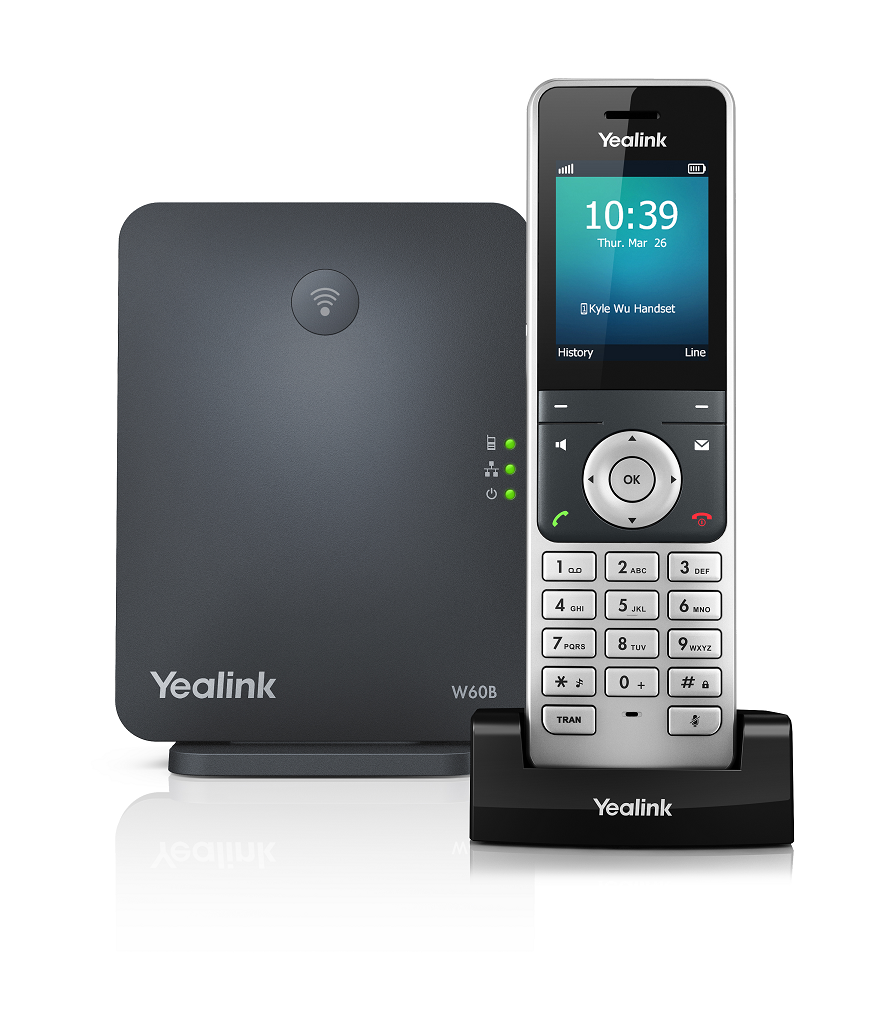
Yealink’s W60B DECT IP Phone Base Station is an ideal ally to aid any small- to medium-sized business in achieving such employee mobility. Since it is easy to deploy, flexible in its functionality, and rich in features, it provides for all the requirements of any internally mobile workforce.
Topics: SIP Phones, Wireless, Business Telephone System, VoIP, Yealink, DECT

Quantum-leap technology advancements will enable on-demand services anytime, anywhere, with ubiquitous connectivity.
by Laureen R. Cook, Principal Telecoms, Media and Technology Advisor, IFC (World Bank)
Nordic Mobile Telephony (NMT) was introduced as the first 1G system in the Scandinavian countries in 1982. 2G was commercially deployed in 1992 and 3G launched commercially in 2001, allowing mobile data as a mainstream service. 4G has been deployed since 2012, and is still being deployed around the world in developing markets, and 5G is on the horizon for the early- to mid-2020s. On average, we deploy a new generation of mobile communications every 10 years. In 25 years’ time, we will have deployed 7G and be well underway with design of the specifications for 8G, where wireless high-definition video streaming and virtual reality are part of the everyday norm. We will have transformed ourselves from the Digital Era of the 1990s to 2020, to the Digital Era of Automation from 2020 and beyond, which will be an all-immersive, high-definition user experience, taking us seamlessly from Gigabytes GB = 109 of data to Zettabytes ZB = 1021.
Topics: Wireless, Business Telephone System, Trends, Mobility (including remote work), Network Security, Mobile, Network Design
.jpg)
By Stefan Eriksson, Marketing and Communications Manager of Konftel
Remote meetings with poor quality audio are often exhausting. Misunderstandings become more likely because it’s difficult to hear nuances and other subtleties in conversation. So you want to aim for the best sound quality possible during teleconferences. The following is a quick explanation of different technical requirements for audio quality.
Topics: VoWi-Fi, QoS, Wireless, VoIP, Total Voice Solution, DECT

Fashion models aren’t the only ones who accessorize. Your customers need accessories, too! If they have an IP phone system, peripherals are an easy way to instantly boost productivity. When putting together your next enterprise telephone system proposal, consider including some from this list, or browse our website for more ideas.
Topics: Customer Service, SIP Phones, Wireless, Business Telephone System, VoIP, SIP, Peripherals, Mobility (including remote work), Headsets, Conferencing
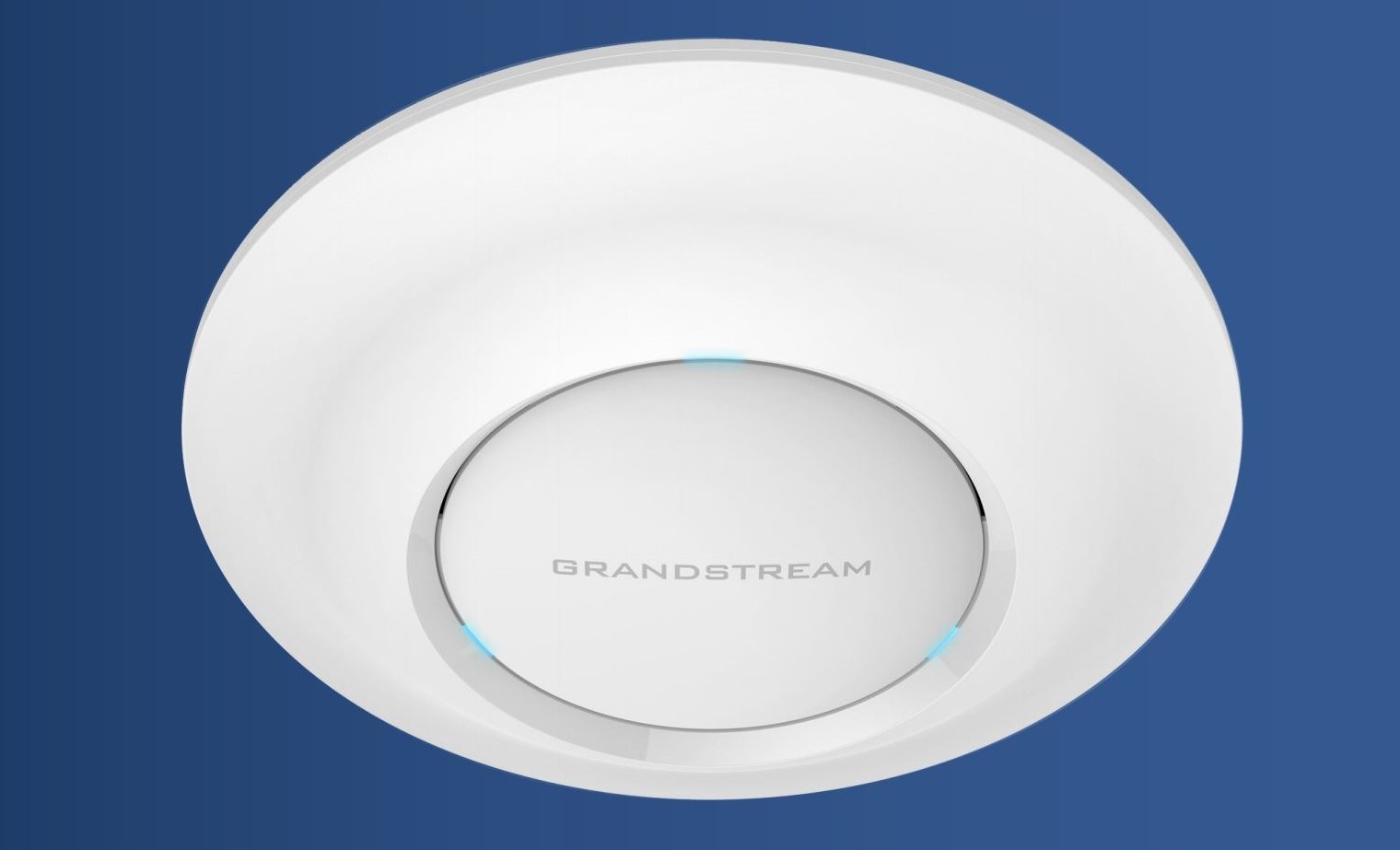
Grandstream, well known throughout the world for their SIP communications solutions, will soon expand those solutions by offering a new line of Wi-Fi devices. Grandstream’s entrance into the Wi-Fi marketplace will feature a Wi-Fi access point, the GWN7610, and they will soon thereafter launch a Gigabit VPN router, which will be called the GWN7000. This product line will be a new mainstay product category from Grandstream, and it will be expanded moving forward to include a variety of routers and access points with various capabilities.
Topics: Wireless, Grandstream, Trends, Mobility (including remote work)
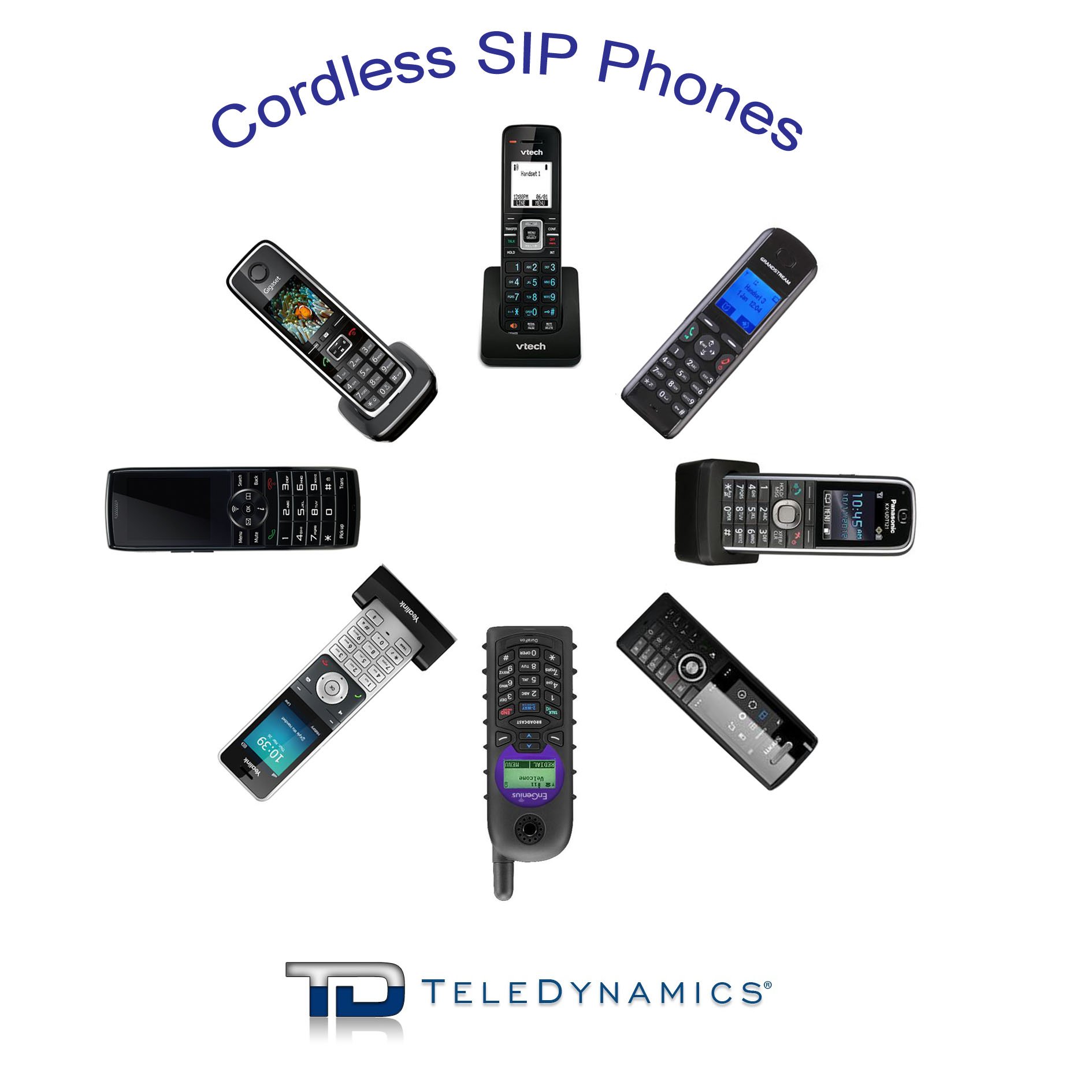
For many types of businesses, workforce mobility is indispensable. Wireless technology allows associates to communicate internally and externally without being bound to a desk or station. Traditionally, DECT (digital enhanced cordless telecommunications) has been the technology used for this purpose. More recently, as wireless local area networks (WLANs) have become more commonplace, voice over WLAN (VoWLAN or VoWi-Fi) has emerged as an increasingly utilized technology.
Topics: VoWi-Fi, Wireless, Business Telephone System, VoIP, SIP
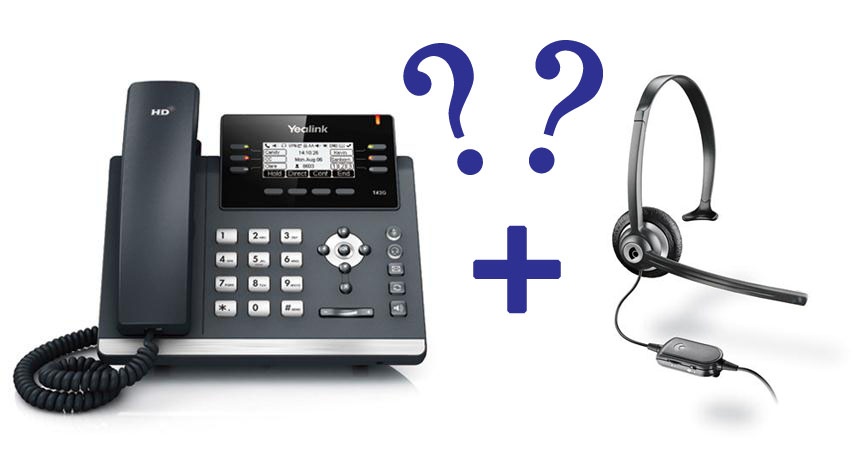
We get a lot of questions at TeleDynamics about headsets, so hopefully this post will help answer some of them. Most questions revolve around whether buying headsets is worth the investment, and whether to get corded or wireless.
Topics: SIP Phones, Wireless, Business Telephone System, VoIP, SIP, Total Voice Solution, Peripherals, Mobility (including remote work), Headsets